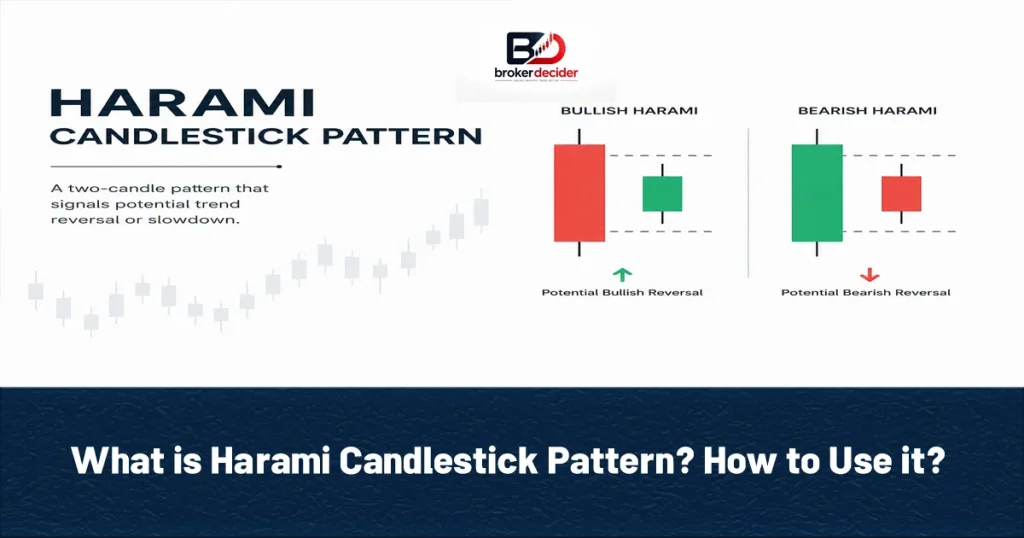

What Is Leverage in Forex is one of the most common questions asked by new traders entering the foreign exchange market. Leverage allows traders to control larger positions with a smaller amount of capital, making forex trading more accessible to retail investors around the world. While leverage can increase potential profits, it can also significantly increase losses if risk management is ignored. Understanding how leverage works is essential before opening a live trading account. In this guide, we will explain what leverage means in forex trading, how it works, its advantages and risks, and how traders can use it more responsibly.
Read More: How to Choose a Forex Broker?
What Is Leverage in Forex and How Does It Work?
What Is Leverage in Forex exactly? In simple terms, leverage is borrowed capital provided by a forex broker that allows traders to open positions larger than their account balance. Leverage is usually expressed as a ratio, such as:
- 1:10
- 1:50
- 1:100
- 1:500
For example, with 1:100 leverage, a trader can control a $10,000 position using only $100 of their own capital. Forex brokers offer leverage because currency markets typically move in small price increments. Without leverage, profits from these movements would often be very limited for small accounts.
Why Forex Brokers Offer Leverage?
The forex market is known for relatively small daily price movements compared to some other financial markets. Leverage helps traders increase market exposure without depositing large amounts of money. Many traders are attracted to forex trading because of the ability to trade larger volumes with limited capital. However, higher leverage also increases trading risk. When researching What Is Leverage in Forex, traders should remember that leverage is a tool, not a guaranteed way to make profits.
Read More: Complete Guide to Choose a Forex Broker
Understanding Margin in Forex Trading
Margin and leverage are closely connected. Margin is the amount of money required to open and maintain a leveraged position. For example:
- If a broker offers 1:100 leverage, the required margin is usually 1%.
- A $10,000 trade would require approximately $100 in margin.
Most trading platforms automatically calculate margin requirements, but traders should still understand the relationship between leverage and account exposure.
Benefits of Leverage in Forex
There are several reasons why leverage is popular among forex traders:
- Increased Market Exposure: Leverage allows traders to participate in larger trades without needing a large account balance.
- More Trading Opportunities: Traders can diversify positions across multiple currency pairs using smaller amounts of capital.
- Capital Efficiency: Using leverage can free up account funds for other trading opportunities or risk management purposes.
For experienced traders, leverage can become an important part of overall trading strategy.
Read More: Forex Broker Regulation: Types and Importance (3 types of regulation)
Risks of Using High Leverage
One of the most important parts of learning What Is Leverage in Forex is understanding the risks involved:
- Larger Potential Losses: Leverage magnifies losses just as much as profits. Even small market movements can significantly affect leveraged positions.
- Margin Calls: If account equity falls below the broker’s required margin level, traders may receive a margin call or have positions closed automatically.
- Emotional Trading: High leverage can increase emotional pressure, leading to impulsive trading decisions and poor risk management.
Because of these risks, beginners are often advised to use lower leverage ratios.
What Is Leverage in Forex for Beginners?
For beginners, lower leverage is usually safer. Many new traders choose leverage between 1:10, 1:20 or 1:50. Using moderate leverage helps reduce account volatility and allows traders to focus on building consistent trading habits. A common mistake among beginners is using extremely high leverage in hopes of generating fast profits. In reality, excessive leverage is one of the main reasons many trading accounts fail.
How to Choose the Right Leverage Ratio
The ideal leverage ratio depends on several factors: Trading experience, Risk tolerance, Trading strategy and Account size. Scalpers and short-term traders may sometimes prefer higher leverage, while swing traders often use lower leverage to manage long-term positions more safely. When evaluating brokers, traders should also check whether leverage conditions comply with financial regulations in their region.
Risk Management and Leverage
Proper risk management is essential when trading with leverage. Some important practices include: Using stop-loss orders, Limiting position sizes, Avoiding overtrading and Maintaining realistic profit expectations. Understanding What Is Leverage in Forex is not only about increasing buying power. It is also about controlling risk and protecting trading capital.
Final Thoughts about What Is Leverage in Forex
Leverage is one of the defining features of forex trading. It allows traders to control larger positions with smaller amounts of capital, creating both opportunities and risks. For beginners, learning What Is Leverage in Forex can help build a stronger foundation before entering live markets. While leverage can improve capital efficiency, responsible risk management remains far more important than using extremely high leverage. Traders should always choose leverage levels carefully and focus on long-term consistency rather than short-term profits.
source: Investopedia