Forex spread is one of the first concepts every trader encounters when entering the foreign exchange market. Whether you trade major currency pairs, exotic pairs, or CFDs through a broker, understanding the Forex spread is essential because it directly affects your trading costs and potential profits.
Many beginners focus entirely on market direction and forget that every trade starts with a small cost. That cost is often the spread. The good news is that once you understand how spreads work, you’ll be able to choose better trading conditions and make more informed decisions. In this guide, we’ll explain what a Forex spread is, how it is calculated, the different types of spreads, and the factors that influence spread levels in the market.
Read More: Best Time to Trade Forex
What Is a Forex Spread?
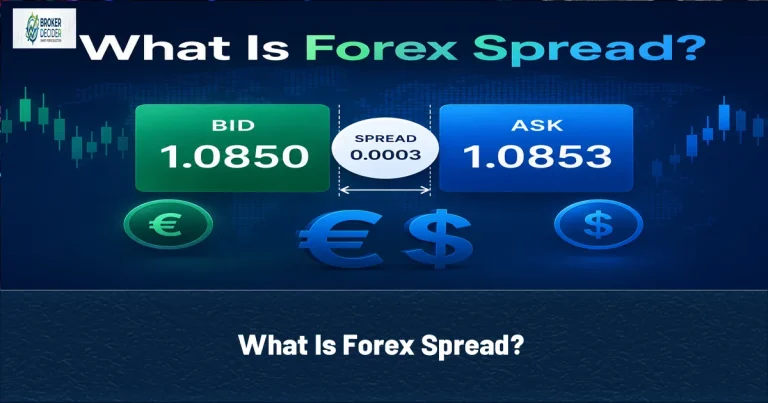
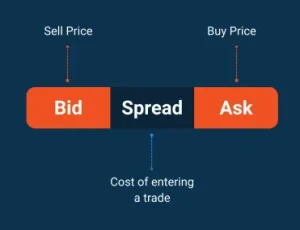
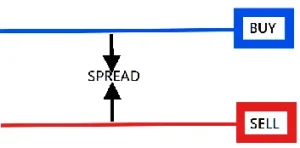
A Forex spread is the difference between the bid price and the ask price of a currency pair.
- Bid Price: The price at which the market is willing to buy a currency pair.
- Ask Price: The price at which the market is willing to sell a currency pair.
The spread is simply the gap between these two prices.
| Price Type | EUR/USD |
| Bid Price | 1.1200 |
| Ask Price | 1.1202 |
In the above example, the spread is 2 pips. When you open a trade, you start slightly negative because you enter at the ask price and can initially exit only at the bid price. The market must move enough to cover the spread before the position becomes profitable.
Why Is the Forex Spread Important?
The Forex spread represents a trading cost charged by brokers and liquidity providers. Imagine you open ten trades per day. Even a small difference in spread can significantly affect your long-term profitability. Spreads are especially important for:
- Scalpers
- Day traders
- High-frequency traders
- Traders using automated strategies
For long-term swing traders, spreads are still relevant, but they usually have less impact because profit targets are larger.
Read more: Forex Trading Psychology
How Is Forex Spread Measured?
Most brokers measure the Forex spread in pips. A pip is typically the fourth decimal place in most currency pairs. Example:
| EUR/USD Bid | 1.1050 |
| EUR/USD Ask | 1.1051 |
| Spread (Difference between ask and bid) | 1 pip |
For currency pairs quoted with five decimal places, brokers may also use fractional pips, often called pipettes. Understanding pip values helps traders calculate the exact cost of entering and exiting positions.
Types of Forex Spreads
Not all spreads work the same way. Brokers generally offer two main spread models.
- Fixed Spread: A fixed spread remains relatively constant regardless of market conditions.
- Variable Spread: A variable spread, also called a floating spread, changes according to market liquidity and volatility.
| No. | Types of Forex Spreads | Advantages | Disadvantages |
| 1 | Fixed Spread |
|
|
| 2 | Variable Spread |
|
|
Read More: EUR/USD Forecast 2026
What Causes Forex Spreads to Change?
Several factors influence the size of a Forex spread:
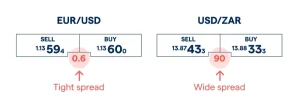
- Market Liquidity: Liquidity refers to how easily currencies can be bought and sold. Major currency pairs such as EUR/USD, GBP/USD and USD/JPY typically have lower spreads because they attract large trading volumes. Exotic currency pairs often have wider spreads due to lower liquidity.
- Market Volatility: During periods of uncertainty, brokers and liquidity providers increase spreads to compensate for higher risk. Events that can cause spread widening include Central bank announcements, Inflation reports, Employment data releases and Geopolitical events. Many traders notice spreads expanding significantly during high-impact economic news.
- Trading Session: The Forex market operates 24 hours a day, but liquidity varies throughout the day. The highest liquidity generally occurs during the overlap between the London and New York trading sessions. During these hours, spreads tend to be at their lowest levels.
- Currency Pair Type: Different currency pairs naturally have different spread levels. for example EUR/USD Spread is very low but USD/ZAR Spread is Very high.
Spread vs Commission: What’s the Difference?
Many beginners confuse spreads and commissions. The spread is built directly into the buy and sell prices. You pay it automatically when entering a trade. A commission is a separate fee charged by the broker.
Read More: Best Forex Indicators in 2026
How to Calculate the Cost of a Forex Spread
Let’s assume EUR/USD spread is 1 pip and the position size is 1 standard lot (100,000 units). or most USD-based accounts 1 pip is $10. Therefore 1 pip spread is approximately $10 trading cost. If the spread widens to 3 pips, trading cost is approximately $30. This example shows why active traders pay close attention to spread levels.
How to Reduce Spread Costs
Reducing trading costs can improve overall performance. you can reduce spread costs by:
- Trading During Active Sessions
- Choosing Liquid Currency Pairs
- Avoid Trading During Major News
- Comparing Brokers Carefully
Read More: Forex Copy Trading in 2026
Is a Lower Forex Spread Always Better?
Not necessarily. A broker may advertise ultra-low spreads but compensate through Higher commissions, Poor execution, Increased slippage and Requotes. Professional traders evaluate total trading costs rather than focusing exclusively on spread size. Execution quality and reliability often matter just as much as having a low spread.
Common Mistakes Beginners Make With Forex Spreads
New traders frequently make several errors:
- Ignoring spreads completely.
- Trading exotic pairs without understanding costs.
- Opening trades during low-liquidity periods.
- Trading major news releases without considering spread expansion.
- Choosing a broker based solely on minimum advertised spreads.
Read More: Forex Risk Management; The Complete Framework for Protecting Your Trading Capital
Conclusion about Forex Spread
Forex spread is the difference between the bid and ask price of a currency pair and represents one of the primary costs of trading. Understanding how spreads work is essential for evaluating trading expenses, selecting a broker, and developing profitable strategies.
Whether you are a beginner learning the basics or an experienced trader optimizing costs, paying attention to the Forex spread can make a meaningful difference in long-term performance. By trading liquid currency pairs, choosing suitable market hours, and understanding broker pricing models, you can reduce unnecessary costs and improve your overall trading efficiency.
Source: Investopedia